
How Much Does Warehouse Storage Cost in the UK? Pallet, Shelf and Bin Pricing Explained
Storage is one of the few fulfilment costs you pay whether you sell anything or not. For ecommerce brands, it can quietly become one of the largest lines on a 3PL invoice, especially when stock moves slowly or forecasts miss the mark.
The good news is that UK warehouse storage pricing follows a consistent logic. Once you understand how pallet, shelf and bin storage are charged, you can compare quotes properly and choose the setup that fits your products. Here is how it works.
How Is Warehouse Storage Charged in the UK?
Most UK fulfilment providers charge for storage in one of three ways, depending on the size of your products and how quickly they sell.
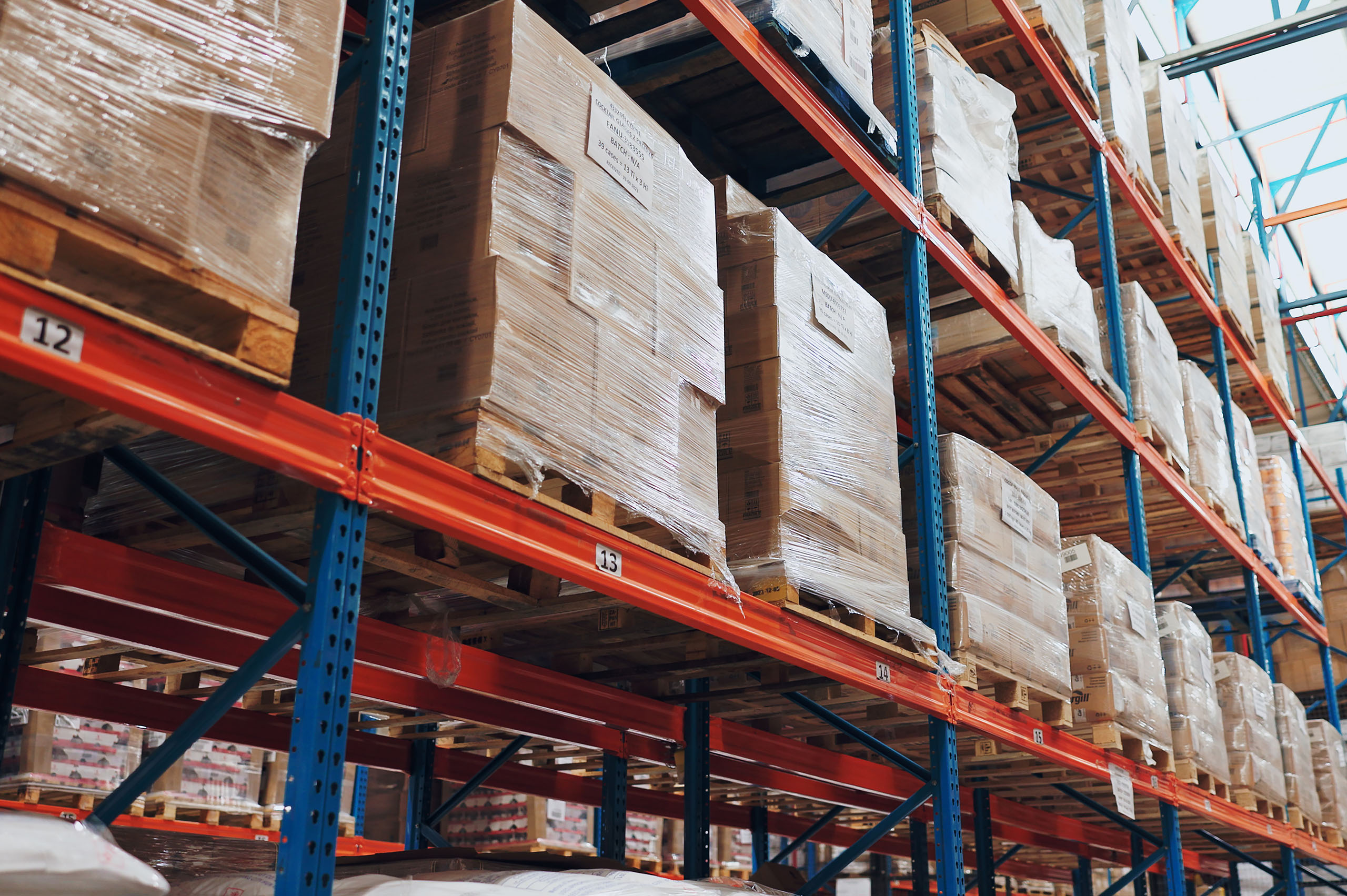
- Pallet storage: a fixed rate per pallet, usually per week. Best for bulk stock and larger items.
- Shelf storage: charged per shelf, per bay or per cubic metre. Suited to smaller products held in moderate volumes.
- Bin storage: charged per bin or tote. Ideal for small, fast moving items across lots of product lines.
Many brands use a mix. Bulk reserve stock sits on pallets, while a smaller amount of each product is kept on shelves or in bins close to the packing area for quick picking.

How Much Does Pallet Storage Cost?
Pallet storage in the UK typically costs between £8 and £20 per pallet, per week. Where a provider sits in that range depends on factors such as warehouse location, security and insurance, and whether services like stock counts are included.
To see what pallet storage really costs your business, divide the weekly rate by the number of units on the pallet. A pallet holding 400 units at £12 a week works out at 3p per unit, per week. If those units sell within a month, storage barely registers. If they sit for six months, the same pallet costs £312 and the cost per unit climbs to 78p.
Pallet storage is usually the most cost-effective option for bulk stock, but only when pallets are reasonably full and stock keeps moving.
How Much Do Shelf and Bin Storage Cost?
Shelf and bin storage are priced by the space your products occupy rather than by the pallet. Rates vary more between providers than pallet prices do, so ask for a quote based on your actual product dimensions and stock levels.
Shelf storage is often charged per shelf or per cubic metre. It works well for apparel, cosmetics, books and other lighter products that do not justify a full pallet.
Bin storage is usually the smallest unit of space, charged per bin each week or month. It suits brands with a wide range of small items, such as accessories, supplements or spare parts.
Measured by volume, shelf and bin storage generally cost more than pallets. The trade off is faster picking, and you are not paying for empty pallet space when you only hold a few units of each product line.
What Else Affects Your Storage Bill?
The headline storage rate is only part of the picture. When comparing quotes, check for:
For a full breakdown of storage, pick and pack and shipping charges, read our guide to 3PL fulfilment pricing in the UK.
How Can You Keep Storage Costs Under Control?
Small changes in how you manage inventory can make a noticeable difference to your storage bill.
- Review slow moving stock regularly.
Clear, discount or bundle products that have not sold in 90 days before long term fees apply. - Match storage type to sales speed.
Keep bulk stock on pallets and move fast sellers to shelf or bin locations. - Plan replenishment carefully.
Smaller, more frequent deliveries can reduce how much space you need at any one time. - Use your inventory data.
Real time stock visibility helps you spot overstock early and forecast more accurately ahead of peak.
CATEGORIES
RELATED POSTS



POPULAR TAGS
KEEP IN TOUCH
GET OUR FREE WEEKLY RETAIL NEWSSTAND REPORT
Enter your email below for our free weekly retail newsstand report, InterMedia updates and relevant industry news. You can easily unsubscribe at any time. Click here for our privacy policy.