
What’s Next for Ecommerce Fulfilment in 2026: The Future of UK Logistics
How eCommerce Fulfilment Is Changing in 2026
eCommerce continues to reshape the UK logistics landscape, and fulfilment has become one of the biggest influencers of customer satisfaction. Delivery expectations keep rising, but customers now value consistency and transparency just as much as speed. Retailers, meanwhile, are navigating higher costs, fluctuating demand patterns, and increasing pressure to maintain operational resilience throughout the year.
These dynamics are encouraging brands to rethink how fulfilment supports long-term growth. Instead of chasing large, fully automated networks, many are turning towards providers that offer reliable integrations, responsive support, and processes that scale without unnecessary complexity. The year ahead marks a shift away from glamorous automation headlines and toward fulfilment models built around clarity, accuracy and adaptability.
Read more: The Complete Guide to eCommerce Fulfilment in the UK
Fulfilment Technology Driving Better Order Automation
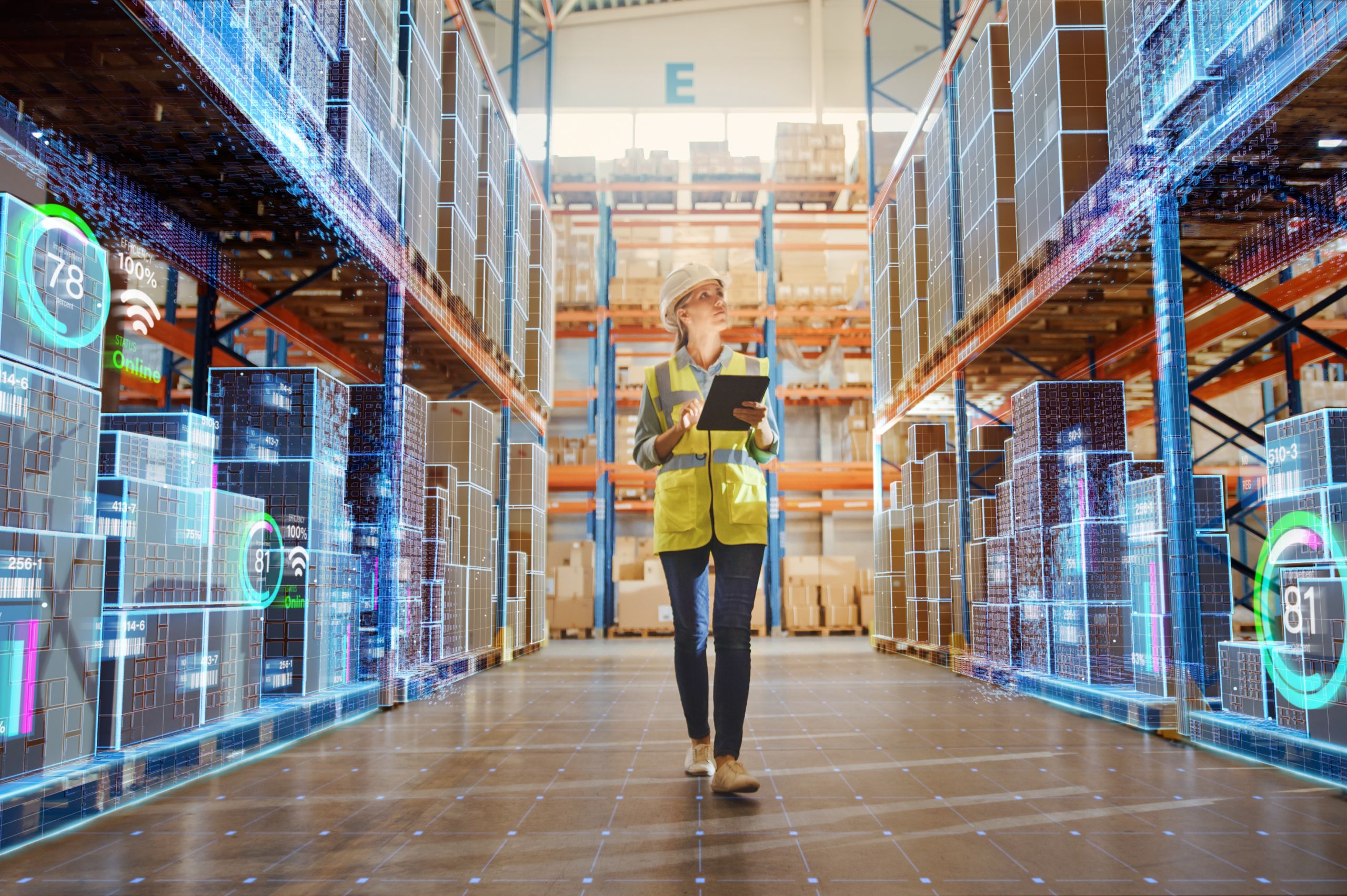
Large fulfilment networks often lean on robotics to drive efficiency, but this approach isn’t always the most effective or accessible for brands aiming to grow sustainably. In 2026, the most successful operations will be powered by technology used intentionally: systems that synchronise stock across channels, improve dispatch accuracy, and provide meaningful insights without adding operational friction.
Advanced integrations with eCommerce platforms, accurate inventory management and dependable reporting continue to shape how retailers perform. These tools make it easier to manage multichannel sales, avoid overselling, and respond quickly when trends shift.
Why Real-Time Fulfilment Visibility Matters for Retailers
Customers expect clear tracking, reliable updates and honest communication about delivery timelines. That expectation influences every stage of fulfilment, from stock accuracy, to carrier performance. As brands expand across multiple sales channels, the need for real-time visibility becomes even more critical.
A clear view of inbound and outbound orders allows retailers to make confident decisions during peak trading or product launches. When fulfilment operations prioritise data accuracy, retailers experience fewer order issues, fewer customer service escalations and a smoother journey from checkout to delivery.
This emphasis on transparency is shaping fulfilment strategies across the UK. Providers that maintain strong communication and maintain close operational oversight are helping brands strengthen customer trust and retain loyalty in increasingly competitive markets.
Practical Sustainability in Modern UK Fulfilment Services
Sustainability continues to influence fulfilment strategy, but the conversation is shifting from ambition to action. Retailers want packaging that avoids unnecessary waste, carriers that are investing in cleaner delivery networks, and warehousing practices that reduce avoidable emissions.
Meaningful change doesn’t require deep automation or drastic infrastructure redesign. Instead, most progress in 2026 will come from practical adjustments: more efficient packaging, improved pick paths, reduced vehicle journeys and partnerships with carriers investing in greener networks.
How Last-Mile Delivery Shapes eCommerce Logistics
The final delivery stage remains a challenge across the UK, influenced by congestion, carrier capacity and regional variations. While industry headlines often focus on autonomous delivery or micro-hub experimentation, the most meaningful improvements for brands this year come from strengthened carrier relationships and smarter service selection.
Rather than relying on a single network, many fulfilment operations now work with a diverse range of carriers to maintain performance and reduce risk. This approach enables more reliable delivery outcomes and gives retailers a clearer understanding of each carrier’s strengths and limitations.
Why Strategic 3PL Fulfilment Partnerships Matter
Retailers are increasingly looking for fulfilment partners that can support broader operational goals. The relationship is shifting from transactional shipping to strategic collaboration. Brands want guidance on scaling, insight into order patterns, and flexibility to adjust operations without disruption.
Fulfilment teams that offer direct communication, integrated systems and a responsive approach are becoming essential to sustained growth. As eCommerce continues to diversify across social commerce, marketplaces and branded sites such as Shopify and TikTok shop, this collaborative model ensures retailers have the operational strength to expand with confidence.
Read more: eCommerce Fulfilment Services Explained: What to Expect from a UK Provider
Preparing Your Operations for the Next Phase of eCommerce Growth
The fulfilment landscape in 2026 rewards adaptability. Strong visibility, dependable technology and supportive operational partnerships create the conditions for sustained performance, even as consumer expectations evolve. Retailers that invest early in scalable, transparent fulfilment processes will be better positioned to navigate growth, peak demand and shifting market behaviour.
Read more: One Size Does Not Scale: How ECommerce Fulfilment Supports Brands at Every Stage
Partner With a 3PL Built for eCommerce Fulfilment Growth
If your business is preparing for its next stage, InterSend offers eCommerce fulfilment built around accuracy, clarity and operational care. As a specialist 3PL, InterSend supports growing brands with dependable processes, streamlined integrations and responsive service that keeps fulfilment running smoothly.
CATEGORIES
RELATED POSTS



POPULAR TAGS
KEEP IN TOUCH
GET OUR FREE WEEKLY RETAIL NEWSSTAND REPORT
Enter your email below for our free weekly retail newsstand report, InterMedia updates and relevant industry news. You can easily unsubscribe at any time. Click here for our privacy policy.